




Understanding Automatic Transfer Switch (ATS) Options for Cost-Effective Design
Selecting the correct Automatic Transfer Switch (ATS) is critical for balancing system performance with project budget constraints. Because ATS units are highly customizable, adding unnecessary features—or selecting specifications that exceed your application requirements—can lead to significant, avoidable costs.
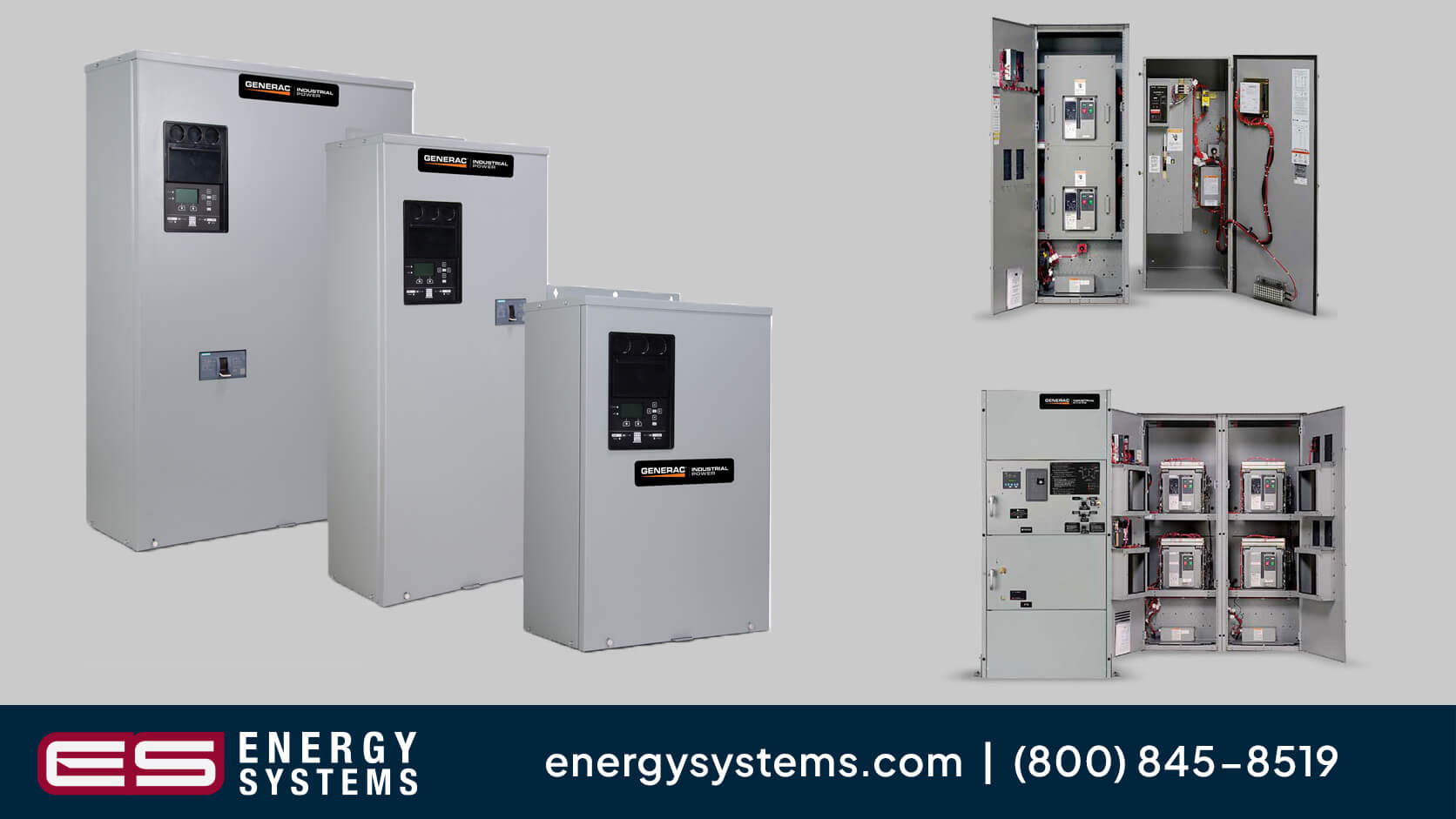
Key Selection Factors
- Continuous Current Rating: Unlike standby generators that only operate during outages, an ATS continuously carries current to critical loads from either the normal or emergency power source.
- Standard switches are typically designed to carry 100% of their rated current at an ambient temperature of 40°C (104°F), with options ranging from 30 to 4,000 amperes.
- Design Note: Switches that include integral overcurrent protective devices are often limited to 80% of their rated capacity for continuous loads. Always verify compliance with the latest National Electrical Code (NEC) requirements for your specific installation.
- Bypass Isolation ATS: These specialized switches allow for maintenance, inspection, and testing without interrupting power to the load. While they are essential for high-reliability applications—such as hospitals, data centers, and life-support systems—they add considerable cost and should be carefully evaluated against the specific redundancy needs of the project.
- UL 1008 Standards and Load Ratings: All ATS units are tested under UL 1008 and must be explicitly marked with the types of loads they are approved to handle. For example, when switching incandescent (tungsten) lighting, the load generally should not exceed 30% of the switch rating unless the ATS carries a specific, higher tungsten load rating.
Common ATS Configurations
When planning your project, consider which transition type aligns best with your application requirements:
- Standard Open Transition: The most common configuration.
- Service Entrance Rated: Designed for specific utility connection requirements.
- Bypass Isolation: For mission-critical maintenance capabilities.
- Closed Transition: For seamless load transfers.
Partnering with Energy Systems
Selecting the right ATS features is essential for performance and budget management. At Energy Systems, our consultants can guide you through the technical trade-offs of various transfer switch configurations across our extensive service area. To see if your facility falls within our service footprint, please refer to our coverage map.
If you would like to discuss your specific power transfer needs or request a consultation, please contact Energy Systems at 1-800-845-8519.
Frequently Asked Questions (FAQ)
- Does Energy Systems provide support for ATS selection in my area? Yes, we specialize in comprehensive power solutions across a wide service area in the United States, including expert guidance on selecting the appropriate ATS for your budget and application, as detailed in our coverage map.
- When is a Bypass Isolation ATS necessary? A Bypass Isolation ATS is typically necessary for mission-critical applications—such as healthcare facilities and data centers—where maintenance and testing must occur without any interruption to the connected critical loads.
- Who can I call for help with my generator system project? For professional guidance and support, contact Energy Systems at 1-800-845-8519.